

Introduction
As the world embraces sustainability in various sectors, construction is evolving with eco-friendly practices to reduce its environmental impact. Steel fabrication is at the forefront of this shift, offering numerous benefits to modern, sustainable construction practices. Let’s explore why steel is the material of choice for green building projects.

1. Steel is 100% Recyclable:
One of the key features that make steel fabrication a sustainable choice is its recyclability. Unlike many construction materials, steel can be recycled indefinitely without degrading its quality. In fact, steel is the most recycled material in the world. This not only reduces the demand for raw materials but also minimizes waste in landfills. The recycling process consumes less energy than producing new steel, reducing the overall environmental footprint. For example, buildings that are demolished at the end of their lifecycle can have their steel components melted down and reused in new projects.
In construction projects aiming for high sustainability certifications like LEED, the use of recyclable materials like steel plays a significant role. Builders who choose steel over other materials ensure that the project leaves a smaller carbon footprint while contributing to the circular economy.
2. Reducing Energy Consumption in Steel Production:
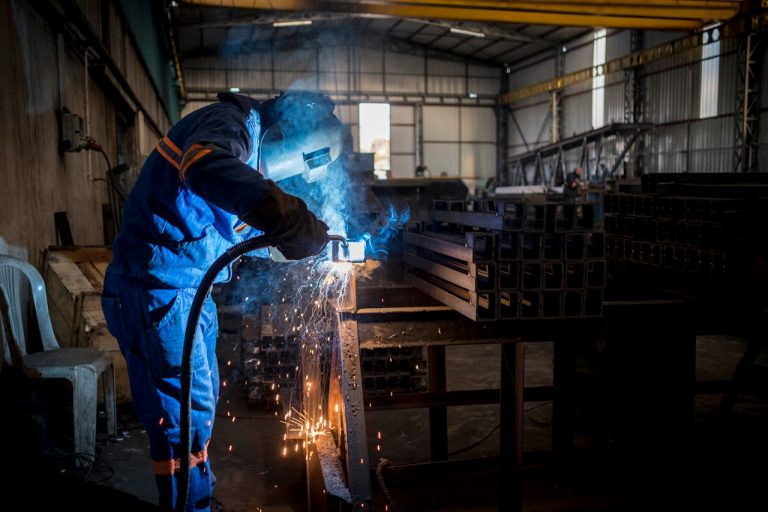
Recent advancements in the steel industry have significantly reduced the energy required to fabricate steel components. Modern steel fabrication plants are using more efficient processes that lower the overall energy consumption, making steel production greener than ever before. Technological innovations such as electric arc furnaces (EAF) have allowed for significant improvements in energy efficiency. These furnaces use scrap steel as input and consume about half the energy of traditional blast furnaces.
By selecting steel produced through energy-efficient methods, builders can further reduce the environmental impact of their projects. Fabricators like MCL Steel prioritize eco-friendly practices, aligning with the growing demand for sustainable construction solutions.
3. Steel Structures Promote Energy Efficiency:
Beyond its sustainable production, steel also helps improve the energy efficiency of buildings. Steel-framed buildings are incredibly durable and require minimal maintenance, meaning they stand the test of time. Additionally, steel’s thermal properties allow for better insulation, helping regulate temperature and reducing energy costs associated with heating and cooling.
In modern construction, steel is often used in combination with other eco-friendly materials, such as green roofing systems and energy-efficient glazing. Together, these innovations help create buildings that consume less energy and provide healthier living or working environments.
4. Longevity Reduces Waste:
A major contributor to sustainability in construction is longevity, and steel is an ideal material for building long-lasting structures. Its resistance to corrosion, pests, and extreme weather conditions reduces the need for repairs or replacements. This durability ensures that steel structures outlast many of their counterparts made from wood, concrete, or plastic, resulting in less material waste over time.
5. LEED-Certified Steel in Construction Projects:
Leadership in Energy and Environmental Design (LEED) certification is a globally recognized green building standard. Using steel in construction is a powerful way to achieve LEED certification due to its sustainable properties. Steel’s high recycled content and energy efficiency contribute points toward certification. Additionally, steel’s versatility and ability to accommodate green building systems, like rainwater harvesting, make it a popular choice for eco-friendly builders.
Conclusion
For MCL Steel, sustainability is woven into every project. From selecting recyclable materials to following energy-efficient fabrication processes, we aim to help builders achieve their sustainability goals.